

Melasma
Dark patches. Uneven tone.More than just pigment.
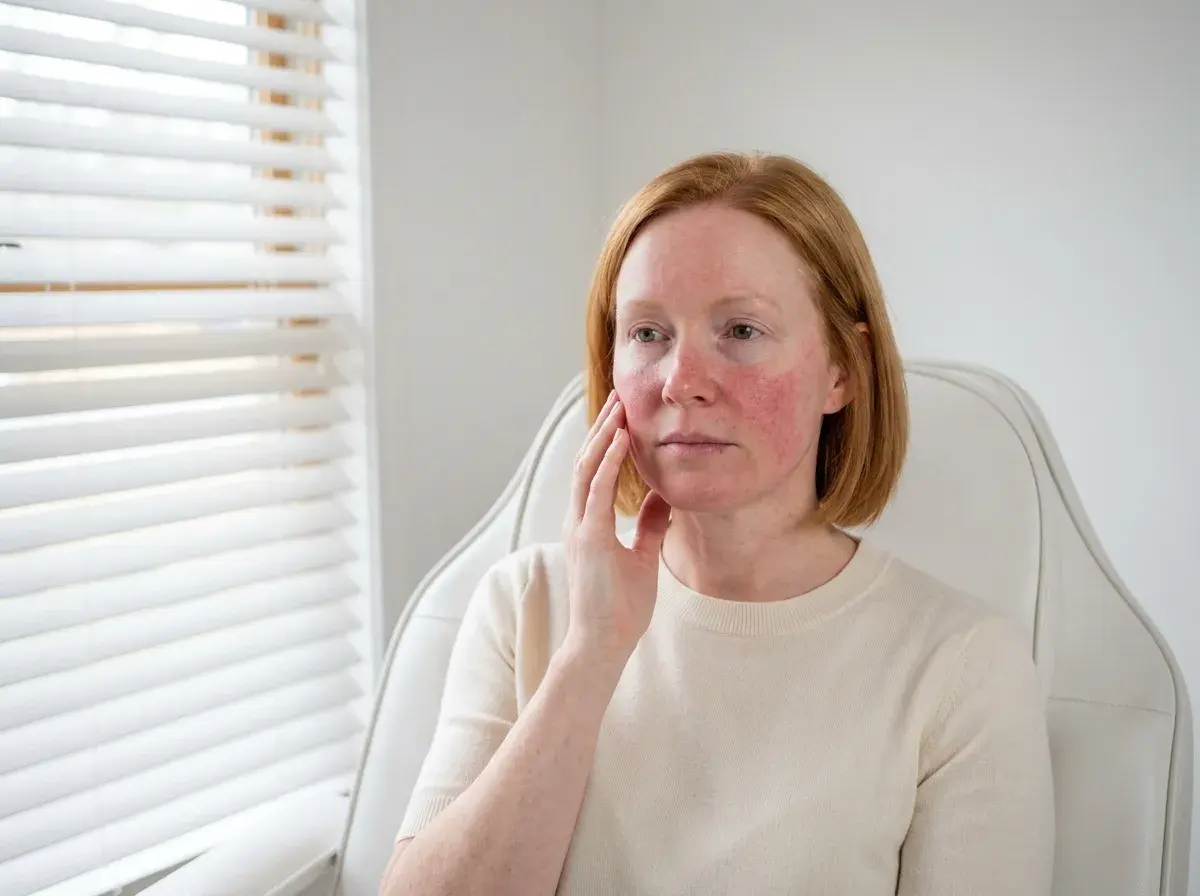
Melasma is a form of hyperpigmentation, brown to grey-brown patches that develop across the cheeks, forehead, and upper lip when the skin's pigment cells produce excess melanin.

Melasma
Dark patches. Uneven tone.More than just pigment.
Melasma is a form of hyperpigmentation, brown to grey-brown patches that develop across the cheeks, forehead, and upper lip when the skin's pigment cells produce excess melanin.
WHY IT HAPPENS
Why It Fades and Comes Right Back
You have already tried the brightening serums. Melasma starts deeper than they reach, in the melanocytes that make your skin's pigment. When hormones or light switch those cells on, they flood one area of skin with color and keep going.
01
Hormonal Triggers
Estrogen and progesterone switch your pigment cells on. Pregnancy and birth control are the most common triggers, which is why melasma is still called the mask of pregnancy.
02
UV Exposure
Sunlight is the strongest accelerant. A few unprotected minutes can darken existing patches and undo weeks of progress, which is why melasma flares again every summer.
03
Heat and Visible Light
Screen light and heat switch pigment cells on the same way sun does. A hot kitchen counts. A hot workout counts. The triggers follow you indoors, which is what makes melasma so stubborn.
04
Pigment Depth
Melasma pigment often sits in the dermis, the deeper layer that creams cannot reach. Some cases are epidermal, some are dermal, many are both. Depth decides which treatments can work.
What Actually Helps
Proven Protocols for Melasma Treatment in Apopka
Melasma requires a cautious, multi-modal approach. Aggressive treatments can worsen the condition by triggering rebound hyperpigmentation. Dr. Vega uses melanocyte-safe protocols tailored to your skin type, pigmentation depth, and severity.
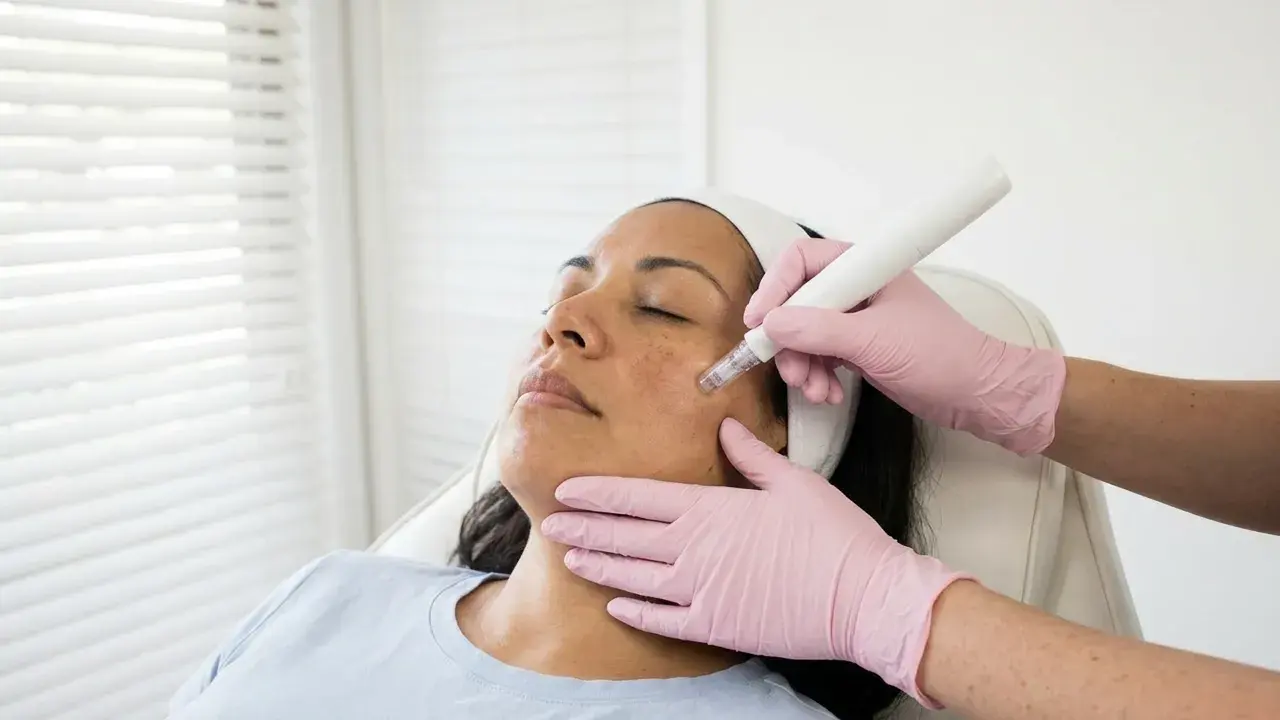
In-Clinic Melasma Treatment
A microneedling protocol that carries brightening actives to the depth where excess melanin sits. It reaches pigment in both the surface and deeper layers of skin, where melasma often lives.
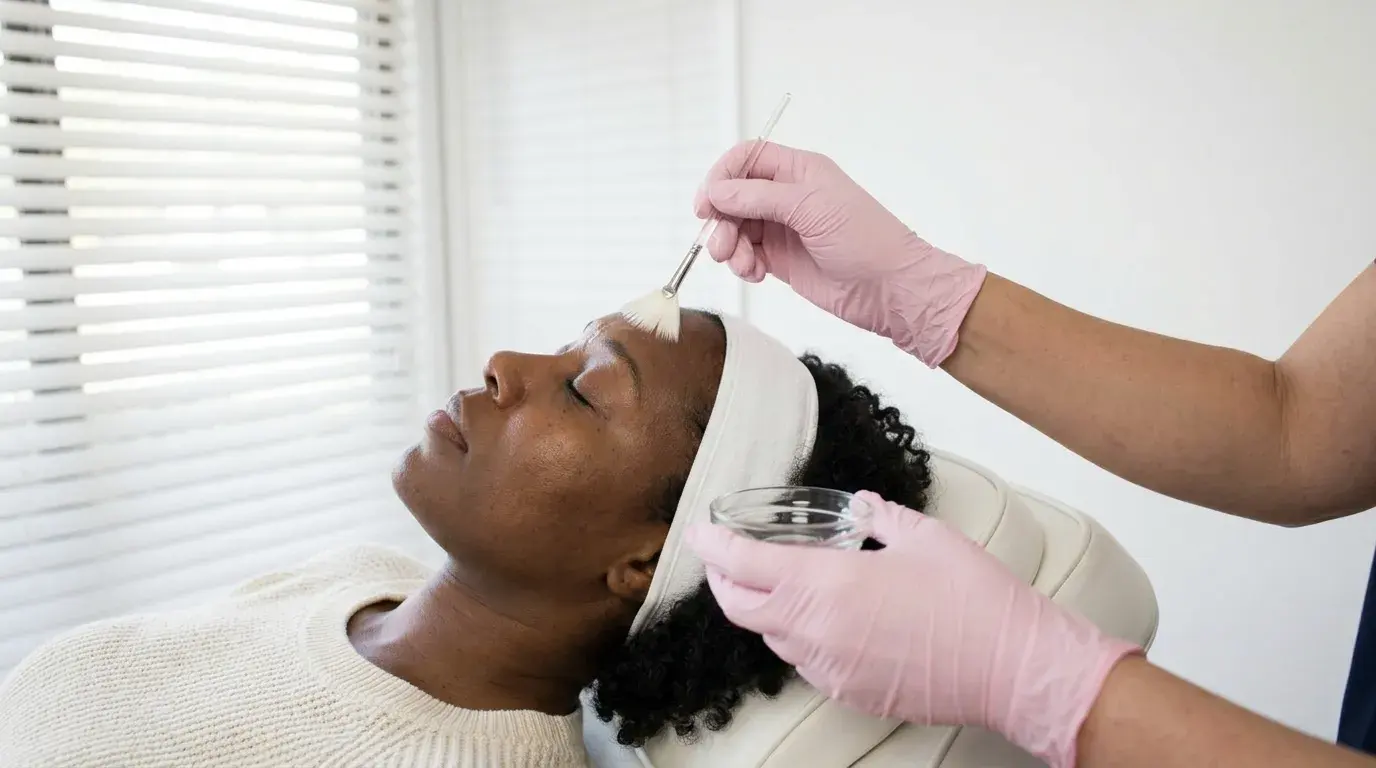
Chemical Peels
A clinical-grade exfoliating treatment that lifts pigment from the upper layers of skin and brings fresh, more even-toned cells to the surface.
How to Keep Melasma from Coming Back After Treatment
Melasma is chronic. Professional treatments lift existing pigment, but daily maintenance is what keeps it from returning. These at-home strategies are essential to your long-term results and should be followed consistently.

Cleanse Gently
Treat Daily
Hydrate the Barrier
Use Masks Wisely
Wear SPF Daily
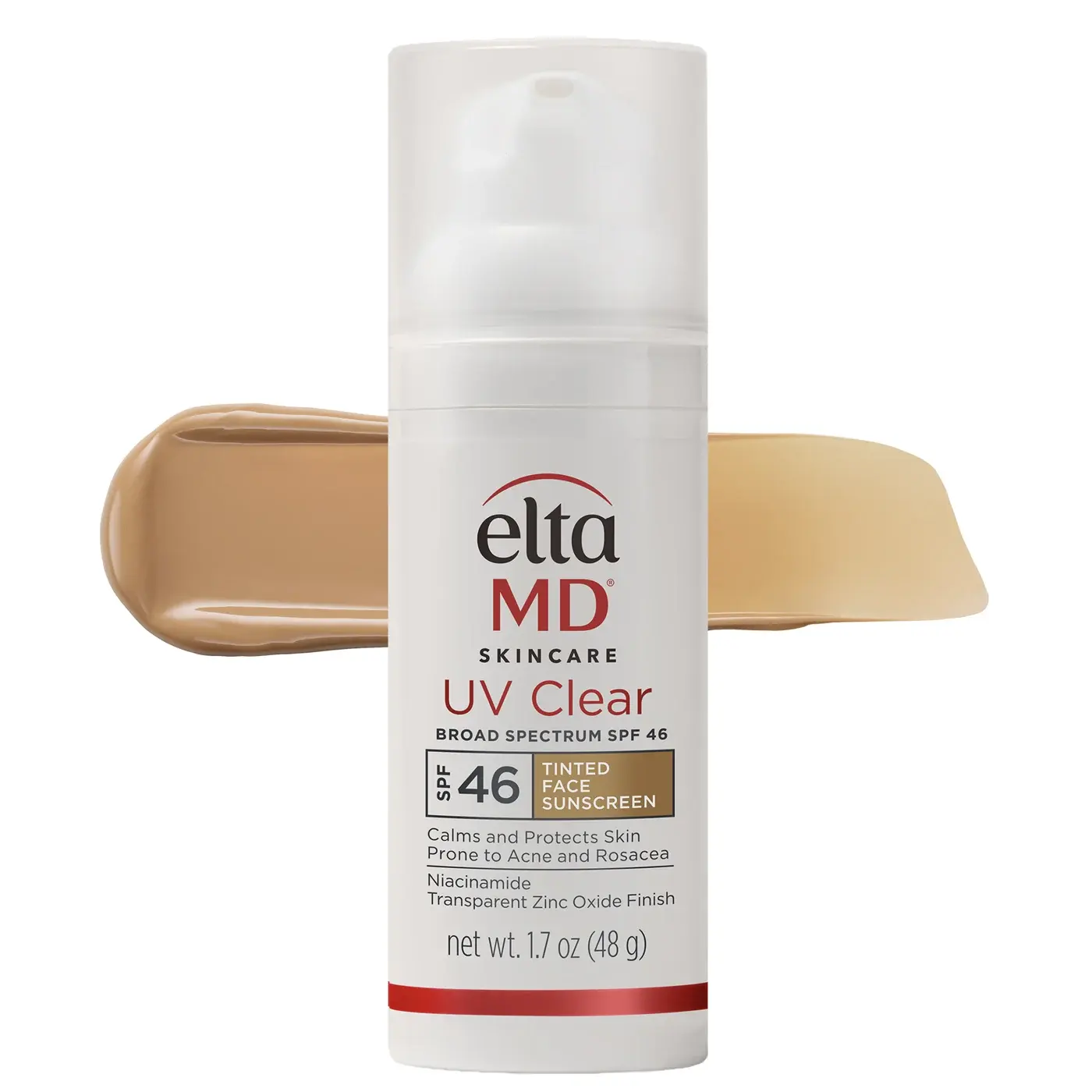
The Skincare That Backs It Up
EltaMD UV Clear Tinted Broad-Spectrum SPF 46
EltaMD UV Clear Tinted Broad-Spectrum SPF 46, a lightweight tinted mineral sunscreen for acne-prone and rosacea-prone skin.






Golden Rose Memberships
Golden Rose Memberships
Golden Rose V.I.P. memberships keep your care on a steady rhythm. Your monthly amount is banked in your account and applied toward any treatment.
Blush VIP, Blossom VIP, Bloom VIP: your monthly amount is banked in your account and applied toward any treatment, from $199 a month.
Members save 10% to 20% on regular-price services, depending on the membership.
Members save 10% to 20% on retail skincare, depending on the membership.
FAQ
Common Questions About
Melasma Treatment
Overactive pigment cells, switched on by hormones and kept running by light and heat. Pregnancy and birth control start it for most women. Your genes decide whether you are prone to it at all.
No. Melasma is chronic, so the goal is to clear what is visible and keep it quiet. It fades well with treatment and darkens again when hormones shift or the sun gets you. Maintenance is what holds it.
Layering works better than any single treatment. Microneedling with Lucente reaches pigment sitting deeper in the skin, clinical peels lift what has collected near the surface, and medical-grade topicals keep new pigment from forming. Dr. Vega decides the mix once she has looked at your skin.
That depends on how deep your pigment sits and how reactive your skin is. Melasma clears across a series of sessions spaced a few weeks apart, and Dr. Vega gives you the number at your consultation.
It can. Daily sun protection and your topicals are what hold the result, and the patients who stay consistent with both keep the clearest skin. Plan on periodic touch-ups in clinic.
Melasma is one type of hyperpigmentation, the kind driven by hormones and light sensitivity. Sun spots and the marks left behind by acne come from different causes and answer to different treatments.
It depends on what your skin needs. Microneedling is $375 for a single session, $949 for a package of three, and $500 with exosomes. You get the full figure at your consultation.
Yes. UV is the strongest trigger there is, so most people watch their patches darken through the summer months and lighten again by winter. SPF 30 or higher, all year, is the part you cannot skip.
More than any product you can buy. UV wakes pigment cells within minutes of exposure, so daily SPF is what protects the work done in clinic. Dr. Vega dispenses EltaMD and will pick the formula that suits your skin.
Melasma is most common in medium to deeper skin tones, Fitzpatrick types III through VI. It shows up in lighter skin too, especially when hormones are the trigger. Dr. Vega treats every skin tone.
Melasma is a chronic pigment condition. It shows up as symmetrical brown or gray-brown patches across the cheeks, forehead, and upper lip. The color comes from melanocytes that overproduce once hormones switch them on. Daylight and heat keep them running. That is why it behaves so differently from a single sun spot, and why generic brightening creams stop working after a few weeks. At Golden Rose Wellness & Medical Spa in Apopka, Dr. Kimberly Ayala Vega, DNP, APRN, FNP-C, assesses how deep your pigment sits before she builds the plan. It usually layers microneedling with Lucente over a course of clinical peels. Daily medical-grade topicals under mineral SPF hold what the sessions clear. Book a consultation to map your own pattern and triggers.
A melasma patch is a defined area of pigment that forms when melanocytes overproduce in response to hormones and light. The patches sit symmetrically, usually high on both cheeks. A sunspot stays put. Melasma fades and returns with your hormone cycles, and with the infrared heat of a stove or a hot workout class. Dr. Vega looks at whether the color sits in the epidermis, the dermis, or both layers, because that decides what can reach it. At Golden Rose Wellness & Medical Spa in Apopka, microneedling with Lucente sits alongside a series of chemical peels, backed by medical-grade topicals from the NOON Aesthetics and iS Clinical lines.
Melasma and chloasma name the same condition: symmetrical brown or gray-brown facial patches caused by overactive pigment cells. Chloasma is the older word, used when the pigment appears during pregnancy. Most clinicians now say melasma whatever the trigger, whether that is hormonal birth control, perimenopause, UV, visible light, or heat. The biology is identical and so is the treatment. At Golden Rose Wellness & Medical Spa in Apopka, Dr. Vega checks how deep the pigment sits, then layers in-clinic treatment with a daily topical routine you can keep up. Book a consultation and bring your hormonal history with you.
Melasma is a condition you manage. The sensitivity in your pigment cells stays with you, so the work is to clear the color you have and then protect your skin from what brings it back. At Golden Rose Wellness & Medical Spa in Apopka, Dr. Vega usually layers microneedling with Lucente to reach pigment sitting below the surface, a course of clinical peels to move turnover in the upper layers, and daily topicals under a mineral broad-spectrum SPF. The clearing happens across a series of sessions a few weeks apart, and maintenance holds it from there. Book a consultation before you start anything.
Topicals on their own stall out. They cannot reach pigment sitting in the deeper layer of skin, which is where most stubborn melasma lives. Dr. Vega works in layers. In clinic, microneedling with Lucente reaches the depth your serums never did, and peels lift the color collected near the surface. At home, the corrective serums she dispenses go on every morning under a mineral broad-spectrum sunscreen. The third layer is your triggers, meaning hormones and heat, including the light coming off your screen at night. Book a consultation and Dr. Vega will tell you how many visits your skin needs.
Eliminated is the wrong word for melasma, and you deserve to hear that before you spend anything on it. The pigment cells that produce it stay sensitive for life. What you can do is clear the color that is showing and keep it quiet for long stretches. That takes work in clinic that reaches below the surface, and work at home that stops new pigment forming. At Golden Rose Wellness & Medical Spa in Apopka, Dr. Vega treats the deeper color with microneedling and Lucente, then peels the surface layer where the patches are holding on. BioRePeel is her gentler option when skin flares easily. She tells you at the consultation what your patches will realistically look like once the series is done.
The in-clinic work clears the pigment you can see. What you do between visits decides whether it stays clear. Melasma answers to hormones, UV, and heat, so trigger control is half of any honest plan. That means sunscreen every single morning, mineral where your skin allows it. Cover the hot parts of your day too, starting with the sun coming through your windshield. Dr. Vega also reviews your hormonal history, because birth control drives more melasma than most women are ever told. In clinic she pairs microneedling with Lucente and clinical peels, then adjusts the plan as your patches begin to lift. Book a consultation in Apopka to start.
Clearing is the first half. Holding it is the rest, and it is the part people underestimate. Your pigment cells stay reactive to hormones and heat long after the patches fade, so a maintenance phase belongs in every plan from the beginning. That looks like periodic treatment in clinic and daily topicals that keep the pigment signal quiet, with sunscreen you actually reapply. Dr. Vega builds that phase in from the start so nothing catches you off guard later. She treats with microneedling and Lucente, layers in peels where the color sits near the surface, and dispenses Alastin and EltaMD at the visit. Book a consultation and she will show you what your maintenance looks like.
It starts with looking. Dr. Vega examines where your pigment sits, how your skin behaves when it is irritated, and what has been setting off the flares. Pregnancy, birth control, perimenopause, and sun all come up in that conversation. Only then does she choose the treatment. Pigment sitting deeper usually calls for microneedling with Lucente. Color that has collected near the surface answers to peeling, and BioRePeel is what she reaches for when skin goes red easily. You leave with medical-grade topicals and a mineral sunscreen chosen for your skin tone. Dr. Vega performs the treatments herself at Golden Rose Wellness & Medical Spa, and she will tell you when the smaller plan is the right one.
Facial melasma shows up symmetrically, most often across the cheeks, the upper lip, and the forehead. The approach holds across all of it, though the settings change with the skin being treated. The upper lip and the area close to the eye are thin and reactive, so Dr. Vega works more conservatively there than she does on the cheeks. Depth matters too. Surface color lifts with peels, while pigment sitting lower needs microneedling with Lucente to reach it. Your skin tone shapes the plan as well, because deeper tones are more prone to marking after inflammation and need a gentler hand. Dr. Vega maps your patches at the consultation in Apopka and tells you which zones move first.